What to Eat on GLP-1 Medications When You Have No Appetite
/
What to Eat on GLP-1 Medications When You’re Not Hungry
Starting a GLP-1 medication like Ozempic, Wegovy, or Zepbound often changes your relationship with food in ways you weren’t expecting. Many people tell me that their appetite seems to disappear almost overnight. Meals they used to look forward to suddenly don’t sound appealing, and sometimes they realize it’s late afternoon before they’ve eaten much at all.
For many people, that’s exactly why these medications work so well. By reducing appetite, they make it easier to eat less without feeling deprived. But eating less creates a new challenge that doesn’t get nearly as much attention. When you’re taking in fewer calories, every bite becomes more important. The goal shifts from simply eating less to making sure the food you do eat provides the nutrients your body needs.
One of the biggest misconceptions I hear is that if someone is losing weight, everything must be going well nutritionally. Weight loss is only one piece of the puzzle. During rapid weight loss, it’s possible to lose muscle, fall short on important nutrients, become constipated, or simply feel exhausted because you’re not eating enough protein or balanced meals. That’s why nutrition support is such an important part of GLP-1 treatment.
When appetite is low, I encourage my clients to focus on a few key priorities:
Protein to help preserve muscle during weight loss
Fiber to support digestion, cholesterol, and blood sugar
Fruits and vegetables for vitamins, minerals, and antioxidants
Healthy fats to support satisfaction and nutrient absorption
Fluids to reduce the risk of dehydration
Why Nutrition Matters When You Have No Appetite on GLP-1 Medications
Before starting a GLP-1 medication, many people spend years trying to reduce calories. Once appetite decreases, however, the conversation changes. Instead of asking, “How can I eat less?” it’s more helpful to ask, “How can I get the most nutrition from the food I do eat?”
You don’t need every meal to be perfectly balanced, but it helps to think about what each meal contributes. Ideally, you’re getting protein to help preserve muscle, fiber to support digestion and heart health, fruits and vegetables for vitamins and antioxidants, healthy fats for satisfaction, and enough fluids to stay hydrated. Those priorities become even more important when your portions are naturally smaller.
Prioritize Protein to Help Preserve Muscle During Weight Loss
If I could encourage someone on a GLP-1 medication to focus on just one nutrient, it would be protein. During weight loss, your body doesn’t lose only fat. Without enough protein—and ideally some resistance exercise—you can also lose lean muscle. Muscle plays an important role in maintaining strength, supporting metabolism, and helping you stay active as you get older.
Fortunately, meeting your protein needs doesn’t require huge portions. In fact, many people simply aren’t comfortable eating large meals while taking these medications. Instead, try building meals around a moderate serving of protein first. Greek yogurt, cottage cheese, eggs, chicken, fish, tofu, edamame, lentils, and even a protein smoothie on days when food isn’t appealing can all help you meet your needs without feeling overly full.
Don’t let fiber fall off your plate
Protein often gets most of the attention with GLP-1 medications, but fiber deserves just as much consideration. Because these medications slow stomach emptying, constipation is one of the most common side effects. At the same time, eating less overall often means people unintentionally eat less fiber.
Rather than relying only on supplements, try to include naturally fiber-rich foods throughout the day. Beans, lentils, berries, apples, oats, chia seeds, vegetables, and whole grains all provide fiber while also contributing vitamins, minerals, and other beneficial plant compounds. If your fiber intake has been low, increase it gradually and be sure to drink enough water to help your digestive system adjust.
The Best Vegetables to Eat on GLP-1 Medications
Many people associate healthy eating with large salads, but that approach doesn’t always work well on GLP-1 medications. A giant salad can be so filling that there’s little room left for protein or other nutrient-dense foods. Instead of trying to force yourself to eat a large volume of vegetables, think about ways to incorporate them into meals that feel more manageable.
Roasted vegetables alongside chicken or fish, vegetable soup with beans, frozen vegetables mixed into pasta or rice, spinach blended into a smoothie, or cooked vegetables folded into eggs are all simple ways to include more produce without overwhelming your appetite. The goal isn’t to eat the biggest salad possible. It’s to make vegetables a regular part of your meals in whatever form works best for you.
Easy Balanced Meals When You Aren’t Hungry
One of the nice things about GLP-1 medications is that they give people permission to stop eating simply because it’s “time.” But many people replace large meals with almost nothing, and that’s where problems begin.
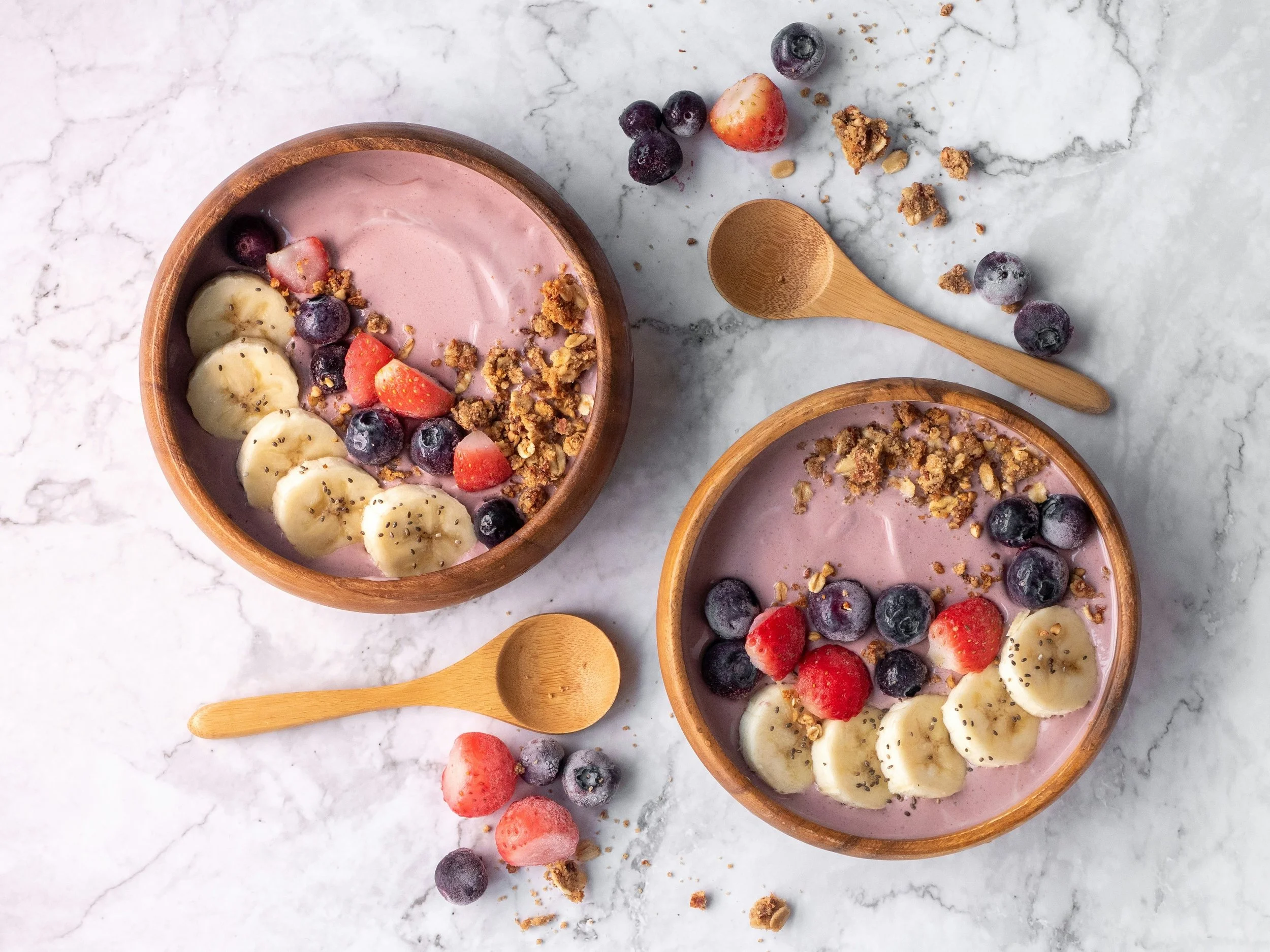
A balanced meal doesn’t have to be large. Greek yogurt with berries and walnuts, cottage cheese with fruit, a turkey wrap, bean chili topped with avocado, or salmon with roasted vegetables are all examples of meals that provide protein, fiber, healthy fats, and a variety of nutrients without requiring a large portion.
The Best High-Protein, High-Fiber Snacks for GLP-1 Users
One concern I hear surprisingly often is afternoon fatigue. While medications themselves can sometimes contribute, I’ve also found that many people simply aren’t eating enough during the first half of the day. It’s not unusual for someone to tell me they’ve had coffee, maybe a protein shake, a few bites of lunch, and then wonder why they’re exhausted by mid-afternoon.
A small, balanced snack is often enough to bridge that gap. Pairing protein with fiber or a healthy carbohydrate tends to provide more sustained energy than protein alone. Below are some simple options that can help support energy while also contributing important nutrients.
Balanced afternoon snacks
Apple with peanut butter
Greek yogurt with berries
Cottage cheese and fruit
Hummus with vegetables and whole-grain crackers
Roasted edamame
Trail mix
Hard-boiled egg with fruit
Protein smoothie
What to Eat When Food Doesn’t Sound Good
There will probably be days when food simply doesn’t sound good. On those days, try to think less about eating a full meal and more about finding something your body can tolerate. Smoothies, soups, overnight oats, yogurt, cottage cheese, or even half a sandwich are often easier to manage than a large meal. Small portions still provide nourishment, and several mini meals throughout the day can be just as effective as three larger meals.
The bottom line
GLP-1 medications can be incredibly effective tools for weight management, but they don’t replace good nutrition. In many ways, nutrition becomes even more important because you’re eating less food overall. Rather than measuring success by how little you ate, think about whether you nourished your body. Did you include protein? Did you eat some fiber-rich foods? Did you have a fruit or vegetable today? Did you drink enough water?
Those small, consistent habits are what help protect muscle, support energy, improve digestion, and make weight loss healthier in the long run. The medication may help quiet your appetite, but it’s the quality of your diet that helps you feel your best while you’re losing weight.
Frequently Asked GLP-1 Questions
Is it okay if I’m not hungry on Ozempic?
Yes. Appetite reduction is one of the expected effects of GLP-1 medications. The goal isn’t to force large meals, but to make sure the food you do eat provides enough protein, fiber, vitamins, and minerals.
Should I force myself to eat?
Generally, no. Instead of eating large portions, focus on small, nutrient-dense meals and snacks throughout the day. If you’re unable to eat enough to meet your nutritional needs or you’re experiencing persistent nausea or vomiting, talk with your healthcare provider.
Why am I tired on a GLP-1?
Fatigue can have several causes, including eating too little, dehydration, rapid weight loss, or medication side effects. Many people feel better when they consistently eat enough protein, include balanced snacks, stay hydrated, and get adequate sleep.
What’s the best protein to eat?
There isn’t one “best” choice. Aim for a variety of foods like Greek yogurt, cottage cheese, eggs, fish, poultry, tofu, beans, lentils, and edamame.
Can I eat fruit?
Absolutely. Fruit provides fiber, vitamins, antioxidants, and carbohydrates that support energy. Pairing fruit with a protein source—such as Greek yogurt or peanut butter—can make it even more satisfying.