Ultra-Processed Food: What the Research Actually Says
/
Ultra-Processed Food: What the Research Actually Says
Ultra-processed food has become one of those nutrition terms that gets tossed around everywhere.
One headline says it’s destroying our health while another says people are being dramatic because, technically, whole grain bread and flavored yogurt can be “processed” too. Then someone on Instagram says seed oils are the real problem, someone else says food dyes are, and suddenly everyone is staring at a granola bar like it’s a moral failing.
So let’s clear it up.
Ultra-processed food is not the same thing as “food that came in a package.” And eating one protein bar, frozen meal, or handful of chips does not mean you have ruined your health.
But the research is pretty clear on one thing: when ultra-processed foods make up a large chunk of the diet, health risks go up. The more helpful question iswhy, and what are we actually supposed to do with that information in real life?
Most of us are not going to start milling our own flour and making homemade crackers every Tuesday. I mean, good for you if you are. But the rest of us need a realistic plan.
What does “ultra-processed” actually mean?
The most common system used in research is called the NOVA classification. It groups foods by how much they’ve been processed, not just by their calories, sugar, or fat.
A baby carrot that has been washed and bagged is processed.
Canned beans are processed.
Frozen vegetables are processed.
Olive oil is processed.
That does not automatically make them unhealthy.
Ultra-processed foods are different. These are usually industrially made foods with ingredients you probably wouldn’t use in your own kitchen: modified starches, protein isolates, hydrogenated oils, emulsifiers, flavor enhancers, colorings, artificial sweeteners, and other additives. They’re often designed to be convenient, shelf-stable, tasty, and very easy to overeat.
Think: soda, packaged pastries, many chips, candy, fast food, instant noodles, sweetened cereals, frozen pizzas, reconstituted meat products, and many snack foods.
The key word there is many, not all. This is where the conversation gets messy. Some foods technically fall into the ultra-processed category but still offer nutrition, like some whole grain breads, fortified cereals, flavored yogurts, or plant-based milks. This is why I don’t love turning this into a panic-based “never eat anything from a package” rule.
The goal is not to be perfect. The goal is to understand the pattern.
What does the research show?
A large 2024 umbrella review published in The BMJ looked at existing meta-analyses on ultra-processed food and health outcomes. Higher ultra-processed food intake was associated with a higher risk of several health problems, especially cardiometabolic outcomes, mental health outcomes, and mortality. The review found associations with outcomes like cardiovascular disease-related death, type 2 diabetes, anxiety, and common mental disorders.
That sounds scary, but it’s worth slowing down for a second.
Much of this research is observational. That means researchers are looking at patterns in large groups of people over time. These studies can show that people who eat more ultra-processed foods tend to have higher risks of certain diseases, but they can’t always prove that the food processing itself is the only cause.
People who eat a lot of ultra-processed foods may also have less access to fresh food, less time to cook, more stress, lower income, poor sleep, less healthcare access, or other factors that affect health. Researchers try to adjust for these things, but real life is messy.
That being said, we do have more than just observational research.
One of the most interesting studies was a tightly controlled randomized trial from the NIH. Participants lived in a research setting and were given either an ultra-processed diet or an unprocessed diet for two weeks, then switched to the other diet. The meals were matched for presented calories, sugar, sodium, fiber, fat, and carbs. People could eat as much or as little as they wanted.
On the ultra-processed diet, participants ate about 500 more calories per day and gained weight. On the unprocessed diet, they lost weight.
That study was small and short, but it was important because it showed that even when nutrients looked similar on paper, people ate more on the ultra-processed diet. And that’s the part I think matters most.
The problem may not be one single ingredient
Whenever ultra-processed food comes up, people want one villain. Is it sugar? Seed oils? Artificial sweeteners? Food dyes? Emulsifiers? Carbs? The fact that it came in a crinkly bag?
The honest answer is probably: it depends.
Ultra-processed foods tend to hit several buttons at once. They are often low in fiber, low in water, soft or easy to chew, high in calories per bite, highly flavored, and easy to eat quickly. They may also be lower in protein or not as satisfying as whole foods.
This matters because your body doesn’t just respond to “calories in.” It responds to texture, chewing, volume, fiber, protein, digestion speed, blood sugar changes, gut hormones, and how full a food makes you feel.
A bowl of oats with berries and nuts and a packaged pastry may have similar calories. But they do very different things in your body.
One takes time to chew, has fiber, has water, has texture, and gives your body a chance to register fullness. The other can go down in about four bites while you’re answering emails.
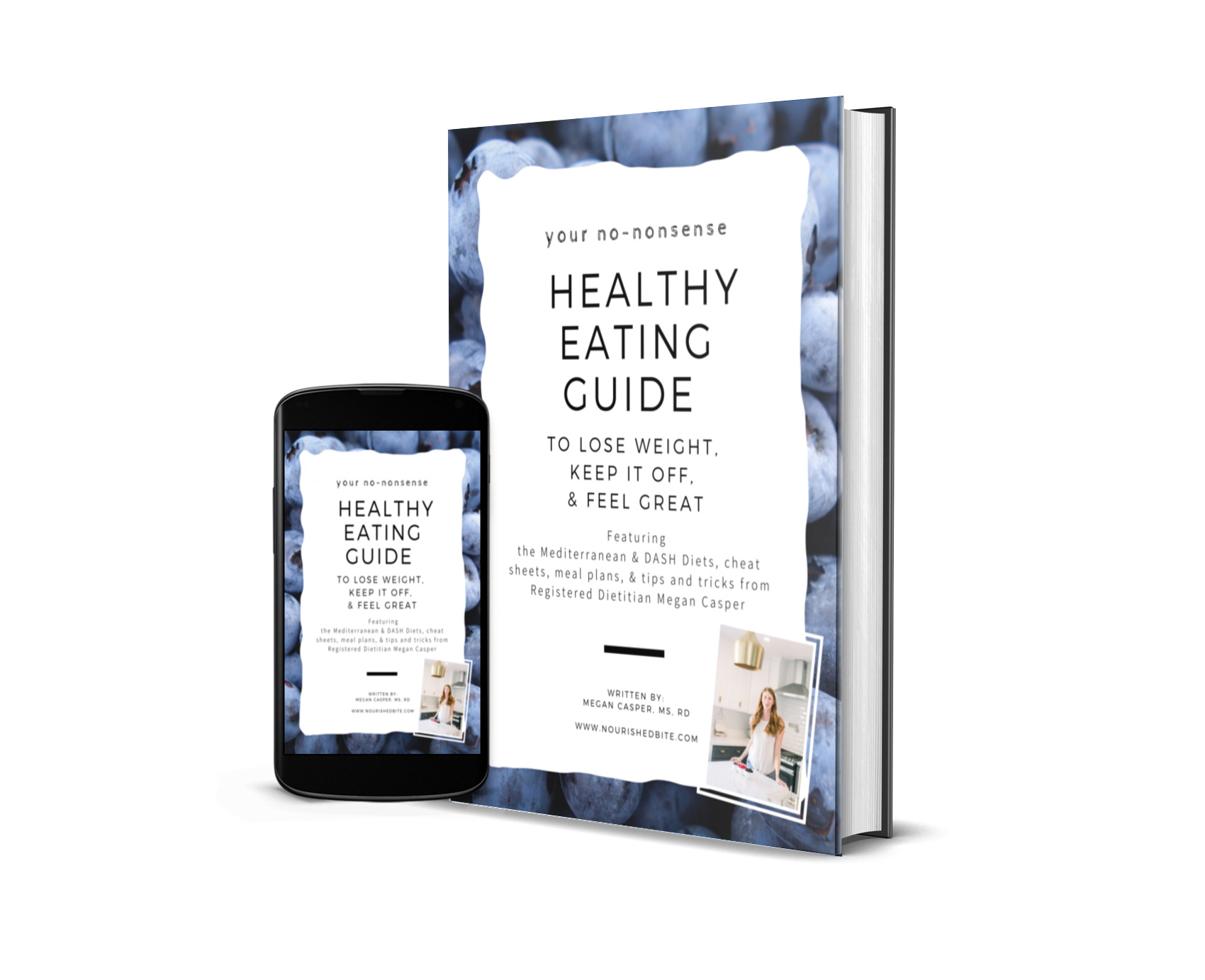
This is also why I’ve always come back to the basics: protein, fiber, healthy fats, water, and foods that actually help you feel full and energized. That’s the same theme I use in my healthy eating guide: not perfection, but building meals around foods that keep you satisfied and support long-term health.
Why ultra-processed foods are so easy to overeat
This is not about willpower.
Food companies are very good at making food taste good. That’s the point. Many ultra-processed foods are engineered to have the perfect mix of salt, sugar, fat, crunch, softness, and flavor. They’re also convenient, cheap, and everywhere.
If you’ve ever opened a bag of chips and suddenly realized half the bag is gone, that’s not because you’re broken. It’s because the food is doing exactly what it was designed to do.
Ultra-processed foods are often:
High in calories but low in volume
Low in fiber
Easy to chew quickly
Less filling than whole foods
Highly rewarding to the brain
Sold in large portions
Marketed heavily
Cheap and convenient
That combination makes it very easy to eat more than your body needs before fullness has a chance to kick in.
So should you cut out all ultra-processed foods?
No. At least, that’s not what I would recommend for most people.
First, it’s not realistic. Ultra-processed foods are part of modern life. You’re going to have birthday cake, pizza nights, road trip snacks, protein bars, cereal, crackers, and whatever your kid didn’t finish but you ate while cleaning the kitchen.
Second, making a food completely forbidden often backfires. The second something becomes “bad,” it can become more tempting. Then people eat it, feel like they failed, and swing between restriction and overeating.
That is not the goal.
The goal is to make ultra-processed foods a smaller part of your overall pattern, not something you panic about every time you eat.
A good question is not, “Is this food processed?”
A better question is, “What does most of my diet look like?”
If most of your meals are built around vegetables, fruit, beans, lentils, whole grains, nuts, seeds, yogurt, eggs, fish, poultry, and other minimally processed foods, there is room for fun foods.
If most of your day comes from packaged snacks, sweet drinks, fast food, pastries, and frozen convenience meals, that’s where we want to start making swaps .Because you’ll probably feel better.
What about “healthy” ultra-processed foods?
This is where things get annoying, because nutrition is never as clean as the internet wants it to be.
Some ultra-processed foods can still be useful. For example, a higher-fiber cereal may help someone eat breakfast instead of skipping it. A protein shake may help someone recovering from surgery or taking a GLP-1 medication meet their protein needs. A frozen meal with vegetables, beans, and whole grains may be better than grabbing fast food.
So instead of automatically tossing something because it has a long ingredient list, look at what it’s doing for you.
Does it have protein?
Does it have fiber?
Does it help you eat more plants?
Does it keep you full?
Is it replacing something less balanced?
Do you actually enjoy it?
Or is it something you eat quickly and then feel hungry again 20 minutes later?
That’s the practical lens.
Easy ways to lower ultra-processed foods without making your life miserable
Start with the foods you eat most often. That’s where small changes matter.
If you drink soda daily, work on cutting back or swapping in seltzer, flavored water, or half juice/half sparkling water. If breakfast is usually a sweet packaged bar, try Greek yogurt with fruit, overnight oats, eggs with whole grain toast, or a smoothie with protein and fiber.
If snacks are the big one, aim for snacks that combine protein, fiber, or fat. Think an apple with peanut butter, hummus with vegetables, Greek yogurt with berries, nuts with fruit, roasted chickpeas, or cheese with whole grain crackers.
If dinner is where things fall apart, keep realistic backups around. Frozen vegetables, canned beans, rotisserie chicken, microwave brown rice, eggs, jarred marinara, tuna, lentil pasta, and bagged salads can all help you throw together something more balanced without pretending you have two hours to cook.
This does not have to be fancy.
A “better” meal can be as simple as:
whole grain toast + eggs + fruit
bagged salad + rotisserie chicken + avocado
frozen vegetables + rice + salmon
bean soup + whole grain bread
Greek yogurt + berries + nuts
pasta + marinara + sautéed vegetables + chicken or beans
None of these require you to become a homesteader.
What to look for on labels
You don’t need to obsess over every ingredient, but labels can help.
I’d pay attention to:
Fiber: Look for at least 3 grams per serving when buying breads, cereals, bars, or grain products.
Protein: Especially at breakfast and snacks. A lot of packaged snack foods are mostly refined carbs and fat, which taste good but may not keep you full.
Added sugar: Not all sugar is evil, but if sugar is one of the first ingredients, it’s more of a dessert than a staple.
Sodium: Frozen meals, soups, sauces, and snack foods can add up quickly.
Ingredients: You don’t have to fear every unfamiliar word, but a very long ingredient list can be a sign that the food is more engineered than nourishing.
And most importantly: look at how the food fits into your day. A packaged whole grain bread used for a turkey sandwich with vegetables is very different from eating packaged sweets for breakfast and snacks every day.
The takeaway
Ultra-processed foods are not poison. They are also not harmless when they make up a large part of the diet.
The research suggests that higher intake is linked with poorer health outcomes, and controlled research shows people may naturally eat more calories when their diet is mostly ultra-processed.
But the answer is not panic. It’s not guilt. It’s not throwing away everything in your pantry.
The answer is shifting the balance.
Eat more foods that look closer to how they started: fruits, vegetables, beans, lentils, oats, brown rice, potatoes, yogurt, eggs, fish, nuts, seeds, olive oil, and whole grains.
Use packaged foods where they help you. Cut back where they don’t. Pay attention to what keeps you full, energized, and feeling good.
And remember: one snack does not make or break your health. Your overall pattern matters most.
TAKEAWAY: Don’t aim for a perfect, ultra-processed-food-free life. Aim for a diet where most of your food actually nourishes you, fills you up, and supports the way you want to feel.