Fibermaxxing: Is This TikTok Fiber Trend Healthy or Bad for Your Gut?
/
Fibermaxxing is TikTok’s latest nutrition trend, and unlike some wellness trends, this one actually has a good idea behind it: most people don’t get nearly enough fiber. Before you jump in, it’s good to know that suddenly loading up on chia seeds, beans, fiber bars, and supplements can backfire fast. So is fibermaxxing healthy, or can it cause bloating, constipation, and gut problems? Let’s break down what the research actually says.
The quick answer: Fibermaxxing can be healthy if it means gradually eating more fiber-rich foods like beans, lentils, oats, berries, vegetables, nuts, seeds, and whole grains. But increasing fiber too quickly, especially through supplements or fiber-added packaged foods, can cause bloating, gas, cramps, diarrhea, or constipation.
What is fibermaxxing?
Fibermaxxing basically means intentionally trying to eat more fiber. Pretty simple, right?
For some people, that looks like adding berries to breakfast or swapping white bread for whole grain bread. Great. Love that.
For other people, it looks like chia pudding, a fiber tortilla, a fiber bar, lentil pasta, psyllium husk, an Olipop, three tablespoons of flax, and a bean salad all before 3 p.m.
That version may be less great.
The trend itself is not bad. In fact, as a dietitian, I’m happy to see people talking about fiber instead of obsessing over cutting carbs or adding unnecessary supplements. Fiber is one of those nutrients that is not very glamorous, but it does a lot for your health. The issue is that your digestive system does not always appreciate sudden renovations.
Why fiber is good for your health
Fiber is the part of plant foods your body can’t fully digest. That sounds like it should make it useless, but it’s actually the opposite.
Fiber helps you feel full longer, supports steadier blood sugar, helps lower LDL cholesterol, feeds beneficial gut bacteria, and keeps digestion moving. It’s found naturally in foods like fruits, vegetables, beans, lentils, oats, whole grains, nuts, and seeds.
There are two main types of fiber: soluble and insoluble.
Soluble fiber is the gummy kind. It forms a gel and can help lower cholesterol, regulate blood sugar, and support easier bowel movements. You’ll find it in foods like oats, beans, apples, berries, and psyllium.
Insoluble fiber is more like a broom. It adds bulk and helps move stool through the digestive tract. You’ll find it in vegetables, whole grains, nuts, seeds, and fruit skins.
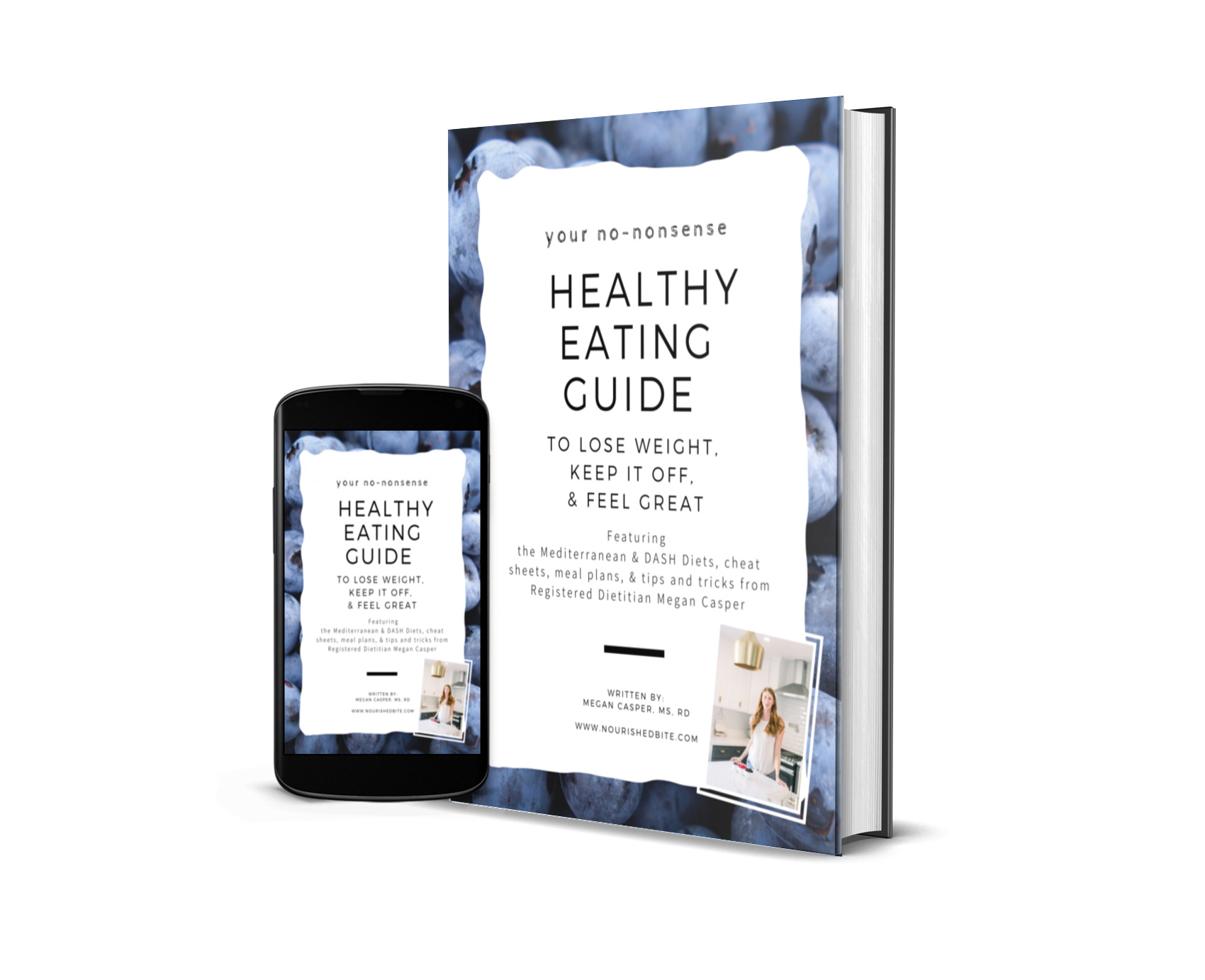
This is one of the reasons fiber has always been one of my “please eat more of this” nutrients. In my own healthy eating guide, I explain that fiber helps with fullness, blood sugar, cholesterol, constipation, certain cancer risks and more. How does fiber lower cholesterol? Soluble fiber can trap some bile in the digestive tract, and because bile contains cholesterol, your body has to pull cholesterol from the blood to make more.
Research also supports fiber’s role in gut and metabolic health. Higher fiber diets have been linked with better cholesterol, improved blood sugar control, constipation support, and changes in the gut microbiome through short-chain fatty acids, which are compounds produced when gut bacteria ferment fiber.
As you can see, fiber really matters.
How much fiber do you actually need?
Most adults need about 25 to 38 grams of fiber per day, depending on age, sex, and calorie needs. Another way to estimate fiber needs is about 14 grams of fiber per 1,000 calories.
The problem? Most Americans eat far less than that.
According to the 2020–2025 Dietary Guidelines for Americans, dietary fiber is considered a nutrient of public health concern because many people are not getting enough.
But this is where people can get tripped up. Just because fiber is good does not mean you need to go from 12 grams a day to 40 grams tomorrow.
Your gut needs time to adjust.
Can too much fiber cause bloating, gas, or constipation?
Yes, absolutely.
Too much fiber too quickly can cause gas, bloating, cramping, diarrhea, or constipation. This is especially true if you suddenly add a lot of beans, lentils, cruciferous vegetables, chia seeds, flax, psyllium, or fiber-added packaged foods.
And please hear this part: fiber without enough fluid can make constipation worse.
Fiber works best when it has water to pull in. When you increase fiber but don’t increase fluids, stool can become harder and more difficult to pass. This is why the advice is usually to increase fiber gradually and drink enough water as you go.
It’s best to increase fiber slowly over a few weeks to give your digestive system time to adjust and to help reduce gas and bloating. Nearly everyone would benefit from more fiber, but your gut needs time to adjust to the onboarding process.
How much fiber is too much?
There is not one perfect “too much fiber” number for everyone.
Some people feel great eating 35 to 40 grams per day. Other people feel bloated and uncomfortable at much less, especially if they increase quickly or have a sensitive gut.
In general, the issue is usually not that fiber is dangerous. It’s that your gut needs time to adapt. If you are currently eating 10 to 15 grams of fiber per day, jumping to 35 grams overnight is a recipe for gas, bloating, and regret.
A better approach is to add fiber in small steps. Try increasing by about 3 to 5 grams at a time, then give your body a few days to adjust.
That might look like adding one serving of berries, one tablespoon of chia seeds, half a cup of beans, or one extra vegetable serving.
Why increasing fiber too fast can upset your gut
Some fibers are fermented by bacteria in the large intestine. This is a good thing overall because it helps produce short-chain fatty acids, which are beneficial compounds linked with gut and metabolic health. But fermentation also produces gas.
So when you suddenly eat a lot more fermentable fiber, your gut bacteria get very busy. That can leave you feeling bloated, gassy, crampy, and gurgly.
This can be even more noticeable with ingredients like inulin or chicory root fiber, which are often added to high-fiber bars, cereals, and drinks. These fibers can be useful, but they can also cause symptoms for people with sensitive digestion.
That’s why whole-food fiber is usually a better place to start. Beans, oats, lentils, berries, vegetables, nuts, seeds, and whole grains come with fiber, but also water, vitamins, minerals, antioxidants, and texture. Fiber-added products can help in a pinch, but they shouldn’t be the entire plan.
Best high-fiber foods to add slowly
The best way to fibermax is not to max anything. Instead it’s best to build a high-fiber diet gradually with foods you actually like.
Some good high-fiber foods to add include:
Oats
Beans
Lentils
Chickpeas
Berries
Apples and pears with the skin
Chia seeds
Ground flaxseed
Avocado
Nuts and seeds
Whole grain bread
Brown rice, quinoa, farro, barley, and other whole grains
Popcorn
A few realistic ways to start:
Add berries to yogurt.
Choose oatmeal a few mornings a week.
Add beans to soup, tacos, salads, or grain bowls.
Snack on fruit with nuts.
Add one extra vegetable at lunch or dinner.
Use whole grain bread instead of white bread.
Sprinkle ground flax into oatmeal or a smoothie.
Are fiber supplements necessary?
Not usually.
There is a place for fiber supplements. Psyllium husk, for example, has good evidence behind it, especially for constipation and cholesterol. But for most people, I’d rather start with food first, not because supplements are bad, but because fiber-rich foods bring more to the table.
Beans have fiber, protein, potassium, magnesium, and iron. Oats have soluble fiber. Berries have fiber and antioxidants. Vegetables bring fiber, water, vitamins, minerals, and all sorts of plant compounds. Nuts and seeds bring fiber plus healthy fats.
A fiber powder can help fill a gap, but it should not become the whole basis of your diet.
If you do use a fiber supplement, start with a small amount, increase slowly, and drink plenty of water. Also, check with your doctor or pharmacist if you take medications, because some fiber supplements can affect how certain medications are absorbed.
Who should be careful with fibermaxxing?
Most healthy adults can benefit from eating more fiber gradually. But some people should be more cautious.
Be careful with fibermaxxing if you have IBS, IBD during a flare, chronic constipation that does not improve with fiber, gastroparesis, a history of bowel obstruction, recent GI surgery, SIBO, pelvic floor dysfunction, or a very sensitive gut.
Also, if you notice red flags like blood in your stool, persistent diarrhea, unexplained weight loss, severe pain, vomiting, or a major change in bowel habits, don’t just add more fiber and hope for the best. That is a good time to talk with a medical provider.
And if fiber consistently makes you feel worse, you are not failing at wellness. You may just need a more individualized plan.
The bottom line on fibermaxxing
Fibermaxxing is one of the rare TikTok nutrition trends with a solid idea behind it. Most people really do need more fiber, and eating more fiber-rich foods can support digestion, cholesterol, blood sugar, fullness, and gut health.
But the “maxxing” part is where people get into trouble.
You don’t need to shock your digestive system into becoming healthier. You need to build up slowly.
Eat more beans, lentils, oats, berries, vegetables, nuts, seeds, and whole grains. Drink enough water. Increase gradually. Pay attention to how your body feels.
Fibermaxxing can be helpful.
Fibermaxxing overnight can be a gut disaster.
TAKEAWAY: More fiber is usually a good thing, but your gut does not want to be surprised. Start slow, drink water, and aim for a diet you can actually keep eating after the TikTok trend moves on.