What Actually Matters for Longevity Nutrition (Hint: It’s Not Expensive Supplements)
/
Every few months there’s a new longevity supplement stack going viral. Some powder you’re supposed to put into your coffee, mushroom drops that cost $80, chlorophyll water, twelve capsules before bed… it starts to feel like healthy aging has become a full-time job.
But when you actually look at longevity nutrition research, the same habits come up over and over again: eating more fiber-rich foods, getting enough protein, staying active, maintaining muscle, sleeping reasonably well, and eating fewer ultra-processed foods overall.
Which is honestly much less exciting than wellness influencers would probably prefer.
One of the best studied eating patterns for longevity is the Mediterranean diet. Not because there’s something magical about olive oil specifically, but because the overall pattern tends to include more minimally processed foods, more fiber, more beans and vegetables, more healthy fats, and less ultra-processed food. Large studies have linked higher adherence to Mediterranean-style eating patterns with lower rates of cardiovascular disease and lower overall mortality.
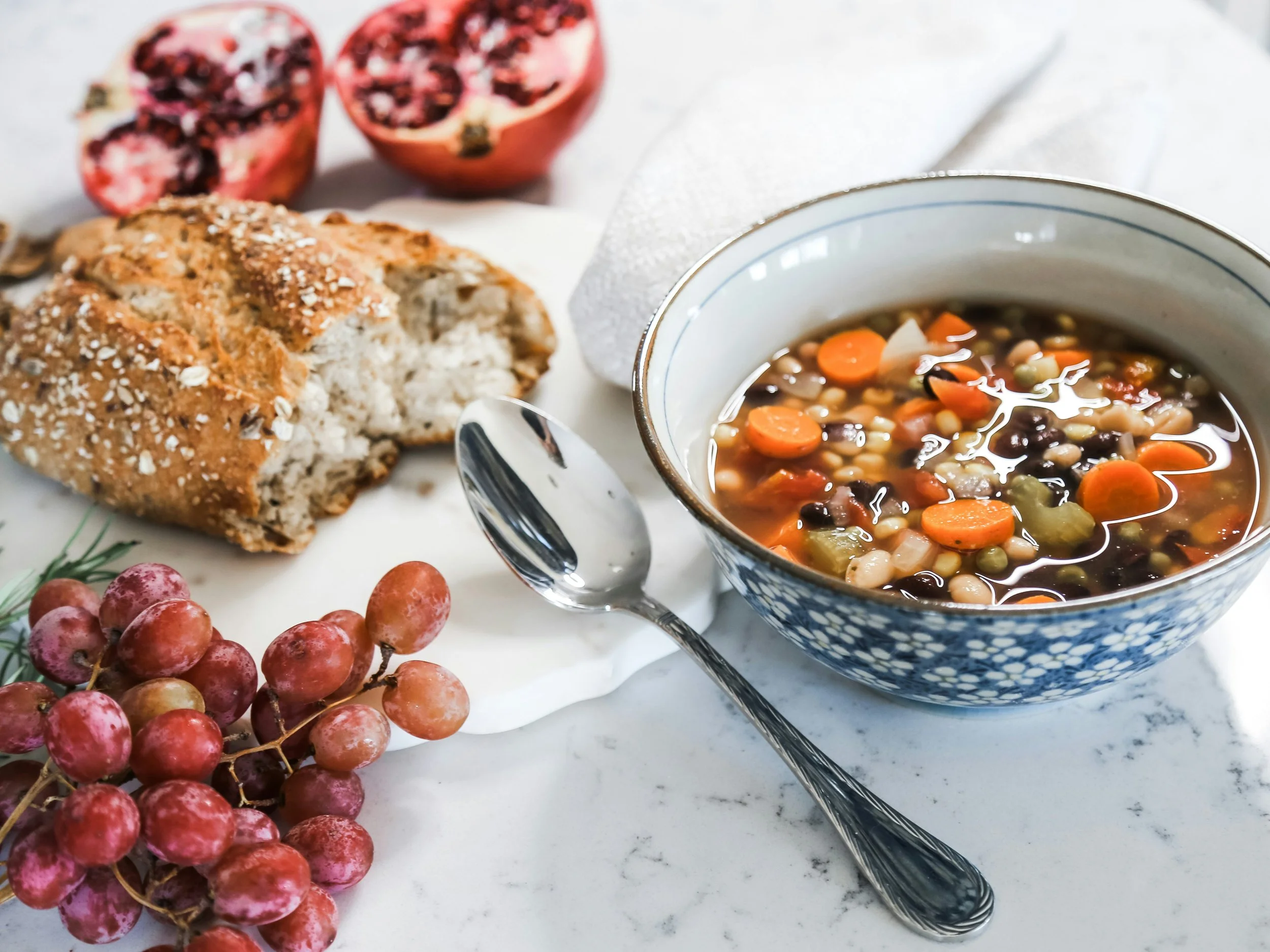
When researchers look at the so-called “Blue Zones” — areas with unusually high numbers of long-lived people — the common thread is not expensive supplements -it’s lifestyle patterns. People move more naturally throughout the day. Meals are often centered around beans, vegetables, whole grains, and simple home cooking. There’s usually strong social connection, lower smoking rates, and less overeating.
I think supplements absolutely can have a place. Some people truly benefit from vitamin D, omega-3s, creatine, iron, B12, magnesium, etc. If someone has low iron, I am very pro iron supplements. If someone is vegan and low in B12, yes, absolutely supplement. Creatine has some pretty solid research behind it for muscle maintenance and healthy aging too.
But supplements are supposed to supplement an already decent foundation. They’re not meant to act as life support for a lifestyle running entirely on stress and iced coffee.
People underestimate how powerful the boring stuff is because it doesn’t feel dramatic enough. Going for a walk after dinner doesn’t feel life-changing. Eating beans a few times a week doesn’t feel terribly exciting. Strength training twice a week doesn’t feel like some secret hack.
But these habits consistently matter more than most expensive wellness products.
Take fiber, for example. Fiber is probably one of the least glamorous nutrition topics on the internet, which is unfortunate because it’s linked to pretty impressive health outcomes. Higher fiber intake has repeatedly been associated with lower risk of cardiovascular disease, diabetes, certain cancers, and lower overall mortality.
And most people are still eating nowhere near enough of it. It’s estimated that only 7% of American’s are getting the recommended amounts of daily fiber.
Fiber helps with cholesterol, blood sugar regulation, digestion, fullness, and feeding beneficial gut bacteria. Yet people will spend $60 on a gut health supplement while eating about 11 grams of fiber a day and avoiding beans because they think carbs are scary.
The same thing happens with protein and muscle mass as we age. One of the strongest predictors of aging well is maintaining muscle and strength. Muscle is protective. Strength helps maintain mobility, independence, bone health, balance, blood sugar regulation, and overall function as we get older. Multiple studies have linked resistance training with lower mortality risk and healthier aging.
That’s one reason I wish wellness culture focused less on “fat burning” and more on maintaining strength and muscle over time.
Overall, a lot of longevity nutrition boils down to reducing the constant strain on your body. More fiber helps blood sugar and cholesterol. Protein helps maintain muscle as we age. Fruits and vegetables provide antioxidants and nutrients we’re still constantly learning more about. Sleeping enough helps regulate appetite, recovery, hormones, inflammation, and even food cravings the next day.
None of this is trendy, unfortunately.
And no, you do not need to perfectly Mediterranean-diet your life overnight. Most people would benefit from a few very unglamorous upgrades:
eating more meals at home
adding vegetables more consistently
getting enough protein at breakfast
strength training a couple times a week
walking more
drinking water
sleeping more
maybe not treating stress management like an optional hobby
That’s the stuff that tends to matter long term.